The triatomine bug mainly sucks blood from victims’ faces and often defecates in the wound, especially around the eyes and lips where the skin is thinner
‘Disease like AIDS’ can follow bug bites
By Zheng Caixiong in Guangzhou
A forest bug clambers on a fern in a garden outside Moscow on June 27, 2017. (YURI KADOBNOV / AFP)
The Guangzhou Center for Disease Control and Prevention has posted a reward for the capture of triatomine bugs as it works to prevent an outbreak of Chagas’ disease by identifying cases early.
Chagas’ disease, which has an incubation period of between 20 and 30 years, is “a new disease like AIDS”, the center said.
Chagas’ disease, which has an incubation period of between 20 and 30 years, is “a new disease like AIDS”
“The campaign is expected to offer early diagnosis and better treatment to patients in the coming months,” the center said in a statement published on its WeChat account on Thursday.
Those who provide the center with triatomine bugs – dead or alive – will receive a reward of 8 yuan (US$1.20) per specimen, it said.
Chagas’ disease most often causes flu-like symptoms like fever, facial swelling, body aches and vomiting. However, 20-30 percent of those infected with the disease can contract chronic conditions, including inflammation of the heart, enlargement of the esophagus and colon, blood clotting and even sudden death. It can lie dormant in a human body for decades.
An official from the center said no Chagas’ disease cases have been reported in Guangzhou so far, but the city is a place for investigating the Chagas’ disease in Guangdong province.
The triatomine bug mainly sucks blood from victims’ faces and often defecates in the wound, especially around the eyes and lips where the skin is thinner, the center said in its statement. An adult bug is usually about 2.5 centimeters long.
The bug is a carrier of the disease, which claims thousands of lives each year in Central and South America. With increasing globalization, cases of the disease have been reported in North America, Europe, Oceania and Japan in recent years, the statement said.
“Chagas’ disease might break out in the city if many bugs are present, so it is important to find the bugs and identify victims early to help control infection rates,” it said.
“Currently there is no vaccine to prevent Chagas’ disease, and there are no specific medicines effective to cure the disease when it reaches a late stage,” the statement said.
Triatomine bugs mainly live in cracks in walls and stones, but have also been found in forests, fields, animal pens and chicken coops. The bugs usually emerge at night to feed.
People who capture the bugs are urged to put them in sealed bottles before taking them to a CDC office in the city.
The Singapore Transport Safety Investigation Bureau inquiry points out that: while too little fuel risks starvation, excessive fuel can result in incorrect calculations for take-off speeds, higher fuel-burn, or reduced controllability.
Refuelling crew foxed before SIA 777 turnback
Investigators have described as fortunate a refuelling error involving a Singapore Airlines Boeing 777-200ER because the aircraft, unknown to the crew, departed with a large surplus of fuel rather than a deficiency.
The aircraft was being fuelled at Singapore ahead of a service to Johannesburg. Its crew had calculated the jet needed to carry 86t of fuel.
For reasons that could not be determined, the aircraft’s internal fuel-quantity indicator had registered the aircraft as a 777-200, which features a smaller centre fuel tank than the -200ER. This caused the aircraft’s instruments to under-measure the amount of fuel on board.
Although the aircraft’s cockpit and refuelling-panel indicators showed total fuel of 86t, the refuelling had taken longer than expected, and the ground personnel found that the dispenser had apparently delivered 121.5t to the aircraft.
The ground team was uncertain about the discrepancy, initially believing that the fuel-flow counter might not have been reset before the fuel was dispensed.
In order to check the quantity of fuel on the aircraft, the team’s lead technician performed a ‘magnastick’ check – a manual reading using floating gauges. This was only carried out on the centre tank, because the two wing tanks were assumed to be full as a result of the way the refuelling system was programmed.
From the lead technician’s readings, and the wing-tank assumption, the certifying technician calculated that the fuel quantity on board was 86t.
But the Singapore Transport Safety Investigation Bureau inquiry says that, despite the apparent match in the calculated figure, the magnastick readings were “grossly inaccurate”. The technicians, it says, had “limited” experience in performing the check and that the magnastick readings were “likely not correct”.
Combined with the 5.5t of fuel which had remained on the 777 from the previous flight, the uplift of 121.5t meant the aircraft departed with 127t of fuel on board – some 41t above the intended figure of 86t.
“It was fortuitous that the aircraft had been fuelled with much more fuel than it needed,” says the inquiry. “Had the magnastick reading errors been in the other [direction], the aircraft could have ended up in a fuel starvation situation in flight.”
The aircraft was fitted with a programme switch module which had been correctly configured for a 777-200ER.
But investigators believe a fault in the module – the nature of which could not be established – resulted in its incorrectly interpreting the aircraft as a 777-200, which meant that the fuel-quantity processor did not take into account eight fuel sensors in the enlarged centre tank. This meant the aircraft was under-reading the actual quantity of fuel on board.
About 1h into the flight the aircraft’s crew received an alert stating that the amount of fuel on board – based on burn-off calculations – was less than the figure on the fuel-quantity indicator, and that the discrepancy was increasing. The crew opted to turn around and return to Singapore where, after landing, the fuelling error was discovered.
The inquiry points out that, while too little fuel risks starvation, excessive fuel can result in incorrect calculations for take-off speeds, higher fuel-burn, or reduced controllability.
Investigators state that the crew did not experience handling difficulties. The aircraft involved (9V-SVC) was undamaged during the 16 April 2014 flight and none of its occupants was injured.
Pilot lands passenger jet safely after windshield shatters
By Luo Wangshu
Sichuan Airlines Flight 3U8633 prepares to land in Chengdu with a damaged cockpit windshield (circle) on May 14, 2018. (WAN BI / XINHUA)
Captain Liu Chuanjian’s heroic actions moments after a cockpit windshield blew out on Monday, nearly pulling his co-pilot from the Airbus A319, has won him praise from flight professionals and internet readers for saving over 100 people onboard.
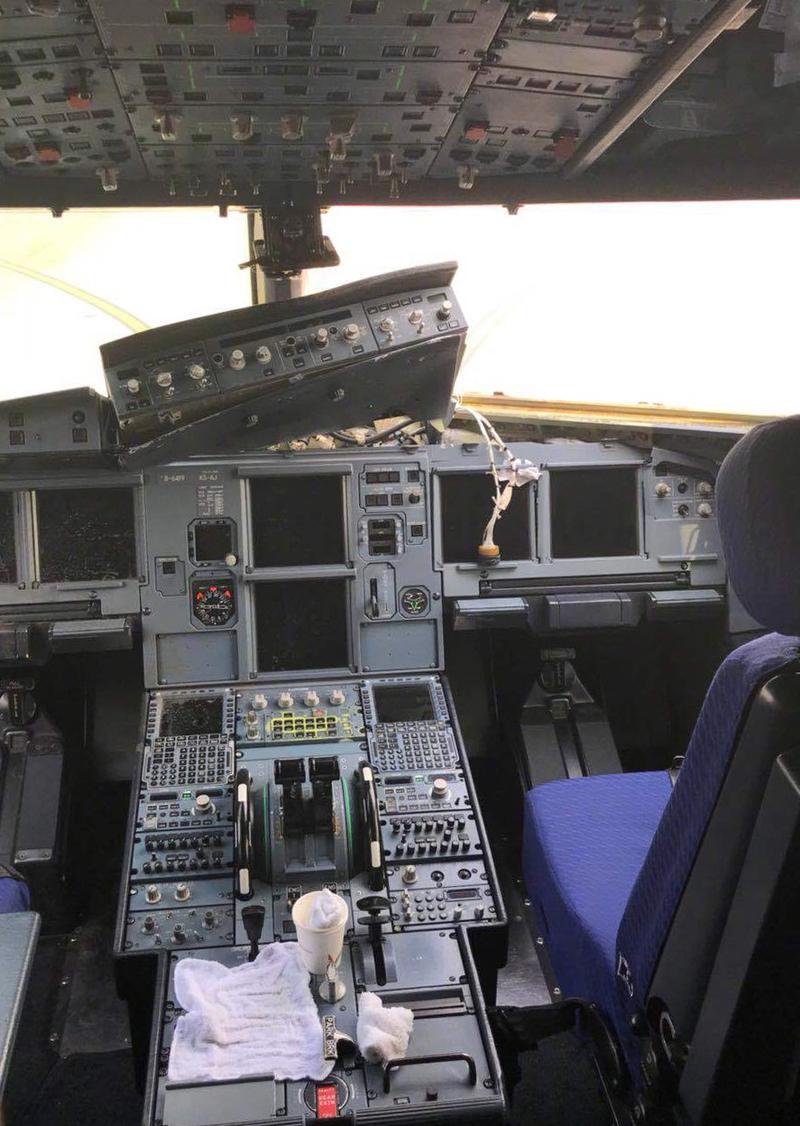
Liu had just leveled his aircraft at a cruising altitude of 32,000 feet when a deafening sound tore through the cockpit. He looked over and saw the right side of the windshield gone.
There was no warning sign. Suddenly, the windshield just cracked and made a loud bang. The next thing I know, my co-pilot had been sucked halfway out of the window
Liu Chuanjian,caption
“There was no warning sign. Suddenly, the windshield just cracked and made a loud bang. The next thing I know, my co-pilot had been sucked halfway out of the window,” Liu told Chengdu Economic Daily after making an emergency landing, saving the lives of all 119 passengers.
“Everything in the cockpit was floating in the air. Most of the equipment malfunctioned … and I couldn’t hear the radio. The flight was shaking so hard I could not read the gauges,” he said.
Calls to Liu’s cellphone by China Daily went unanswered on Monday evening.
Sichuan Airlines Flight 3U8633 had taken off as scheduled from southern China’s Chongqing Jiangbei International Airport at 6:26 am and was due in Lhasa, capital of the Tibet autonomous region, at 9:05 am.
The windshield shattered about 7 am at least 100 kilometers into the journey. The aircraft, which had been traveling at 800 to 900 k/hr, went into a nosedive that lasted five to six seconds, according to the newspaper.
The cabin crew had been handing out breakfast to passengers when the plane pitched forward.
Passenger Zeng Jun described the scene in an interview with Chengdu Economic Daily as “too scary and too dangerous”. People were screaming, while bags and trays were flying everywhere, he said.
He recalled grabbing one of the oxygen masks that fell from overhead as a flight attendant began telling passengers to trust in the flight team. “When we finally landed, some of the women were in tears,” he said.
The co-pilot, who was pulled back into the cockpit and buckled into his chair, suffered a cut to his face and a sprained wrist, and a flight attendant received minor injures, the Civil Aviation Administration of China’s Southwest Regional Administration said.
Liu, who joined Sichuan Airlines after leaving the military in 2006, was able to right the plane quickly and made an emergency landing at Chengdu Shuangliu International Airport at 7:46, about 45 minutes after the windshield blew out.
After landing, most passengers were transferred to another flight to Lhasa, but 29 passengers were sent to the hospital, one with a sprain and another with bruising, China Central TV reported.
The Airbus A319 aircraft’s flight controls were damaged in the incident happened on May 14, 2018. (SCREENSHOT OF CCTV VIDEO)
The aviation administration’s Southwest Regional Administration said the crew handled the emergency correctly.
Liu later said the accident reminded him of a similar incident with British Airways in 1990, when a windshield separated from its frame, and the captain was sucked out of the plane. With the captain pressed against the window frame for 20 minutes, the co-pilot made a safe landing.
Li Xiaohu, head of safety for the aviation administration’s Southwest Regional Administration, said an investigation has begun and the reason the windshield shattered will be looked into.
Zhang Wei, a council member of the Chinese Society of Aeronautics and Astronautics, said the broken windshield could have damaged the aircraft’s structure, causing it to be unable to fly or causing more serious problems if it does.
“The broken window in the cabin causes a loss of pressure. It leads to a loss of air in the cabin and the oxygen masks will fall,” he said.
The cockpit windshield is a very important part of an aircraft and may be the strongest glass on the craft. It consists of multiple layers and is very hard to break. This incident is very strange and only further investigation will lead to a resolution, Zhang added.
The A319 was purchased by Sichuan Airlines in 2011 and had flown 19,912 hours.
On 10 June 1990, shortly after British Airways Flight 5390 left Birmingham Airport in England for Málaga Airport in Spain, an improperly installed windscreen panel separated from its frame, causing the plane’s captain to be blown partially out of the aircraft. With the captain pressed against the window frame for twenty minutes, the first officer managed to land at Southampton Airport with no loss of life.
The Federal Aviation Administration (FAA) issued an Emergency Airworthiness Directive (EAD) that requires operators to inspect fan blades on certain CFM56-7B engines within 20 days.
The directive is based on a CFM International Service Bulletin issued today and on information gathered from the investigation of Tuesday’s Southwest Airlines engine failure. The inspection requirement applies to CFM56-7B engines.
Specifically, engines with more than 30,000 total cycles from new must complete inspections within 20 days. The EAD becomes effective upon publication. The engine manufacturer estimates today’s corrective action affects 352 engines in the U.S. and 681 engines worldwide.
The engine fan blades are used on Boeing 737-600, 700, 800 and 900 jets.
The USA National Transportation Safety Board (NTSB) believes one of the blades snapped on the Southwest flight 1380 on Tuesday 17 April 2018, flying at about 30,000 feet, hurling debris that broke a window. The incident killed one passenger who was sucked part way out of the plane and injured seven others. The plane, a Boeing 737 bound from New York to Dallas with 149 people aboard, made an emergency landing in Philadelphia.
NTSB investigators said one of the engine’s fan blades broke off from the hub during the flight. The broken edge of the blade showed crack lines consistent with metal fatigue.
NTSB QUESTION: Why didn’t the ring do its job?
NTSB investigators are taking the Southwest engine apart to understand what happened and will look at maintenance records for the engine. There’s a ring around the engine that’s meant to contain the engine pieces when this happens, and in this case it didn’t, which is the big focal point for the NTSB.
Engine failures occur from time to time as engines are being pushed to produce as much power as possible, many expert believe engines are right on the edge, and consequently sometimes engines fail, and that’s why the containment ring is there.
The engine failure was reminiscent of a similar event on a Southwest Boeing 737-700 jet in August 2016 as it flew from New Orleans to Orlando, Florida. Shrapnel from the engine left a 5-by-16-inch hole just above the wing. Passenger oxygen masks dropped from the ceiling. Pilots landed the plane safely in Pensacola, Florida.
Mitigating the growing threat of wildlife hazards at airports.
The world’s increasingly busy airports face a growing threat of birdstrikes and wildlife hazards, partly due to expanding urban environments and bird populations, but also due to the global growth of airport traffic. Lee Pannett, Director at the Scarecrow Group, reveals how bio-acoustic technology can successfully mitigate the issue.
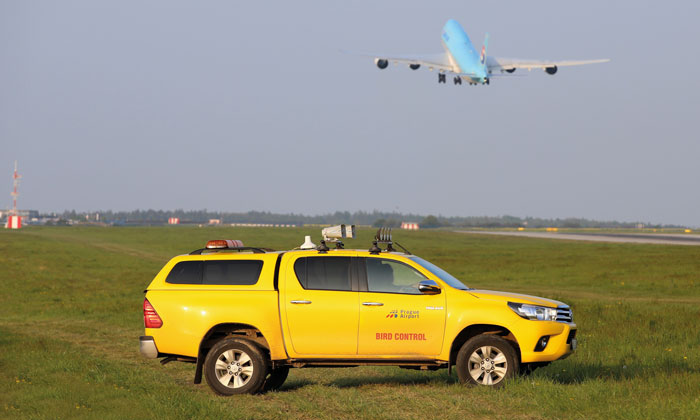
CLEARING RUNWAYS: A Scarecrow Group vehicle in Prague
Regulations concerning airside bird control differ across the world in terms of what is mandatory and the extent to which practices are then governed by authorities. The International Civil Aviation Authority (ICAO), for example, has published a set of Standards and Recommended Practices (SARPs) and although not binding, the SARPs recommend that member countries establish a national procedure for aircraft and airport personnel to record birdstrikes.
Understanding the importance and the implications of birdstrikes and wildlife hazards remains a major challenge for all airports no matter their size, for ground staff, operations teams and management.
Robotic falcon takes to the sky above Southampton Airport
Robird, as it is called, is designed to strike fear into the hearts of a wide range of potential runway hazards, including ‘other’ birds of prey.
ON PATROL: Robird is the first of its kind to be used on a regular, long-term basis at an airport
Birds of prey are a popular method of keeping the population of pest species down. Hawks have been unleashed on the Houses of Parliament in the United Kingdom to scare of resident pigeons and seaside resorts to manage seagulls. For years, airports have used various species but now, increasingly, they are considering a turn to ornithopters for their needs – and Southampton Airport has become the first in Europe to employ the technology on a long-term basis .
Robird, a drone designed and flown to mimic the actions of a bird of prey, has been trialled patrolling the skies above the Hampshire international airport.
Traditional bird scaring methods lose their impact over time and need to be backed up with lethal deterrents. The benefit of Robird is that all types of birds including corvids (crows), birds of prey, pigeons and gulls see the drone as a predator, and change their behaviour to keep well away. No harm comes to any bird through this method of bird control.
The drone has been trialled at Southampton Airport in partnership with NATS and the developers, Clear Flight Solutions. The successful trial means similar robot bird systems could take flight at other airports in the future.
Dan Townsend, Southampton Airport’s Airside Operations and Safety Manager, said: “At Southampton Airport, we invest every effort to make sure our airfield is as safe as possible. Robird is an innovative idea that we’ve found to be an effective and durable way to reduce bird strikes — so you could say this idea really has wings.”
Ian Rogers, UK & Ireland Director, Clear Flight Solutions, added: “Clear Flight Solutions and Southampton Airport worked together to establish a drone operation on a regular and on-going basis in a CTR for the first time in Europe. The effect of flying Robird at Southampton has been to remove bird hazards safely and controllably from safety critical areas. This will benefit the airport and its customers.”
Asbestos exposure, a hidden risk for budget tourists in Asia
We are just beginning to realise that exposure to asbestos is a hidden travel risk in Asia, particularly for those on a low budget who stay in cheap deteriorating buildings or next to demolition sites.
It’s a small but real risk.
Asbestos is a popular building material in many parts of Asia and given that it only takes a few fibres to cause a fatal cancer, tourists may unknowingly be facing a health risk.
The longer and higher the level of exposure, the greater the dose. This explains why asbestos workers are at higher risk of developing disease. But others get it too and some are totally disbelieving when they get the diagnosis because they can’t recall ever being exposed.
Although asbestos may be locked into insulation, floor tiles and coating, walls and roofing material, as buildings decay fibres can be freed.
These fibres can be 1000 times thinner than a human hair and can be inhaled without detection.
Some travel blogs suggest opting for new hotels and avoiding construction or renovation sites where fibres may be in the air, the soil or on nearby surfaces.
Professor Ken Takahashi, director of the Asbestos Diseases Research Institute (ADRI) says the travel risks have not previously been considered by researchers.
“But in the case of travel, one can assume that the exposure level is low and the duration of exposure is short. Therefore, the risk would be small,” he says.
“A practical recommendation would thus be to avoid going near places where asbestos may be obviously present, the most typical of which is asbestos factories or mines.
“Of course, presence of asbestos is not always obvious, such as in the case of exposure to buildings containing asbestos or exposure to asbestos-containing products.
“It then becomes a matter of practicality whether one should avoid travel in view of the small risk.
He strongly believes Australia has a responsibility to raise awareness of asbestos in Asia, provide education on protection against it and hopefully, help to get rid of it completely “for the sake of workers and residents of the country itself, much more than for the sake of travellers”.
He says more than 60 per cent of the world consumption of asbestos occurs in parts of Asia where commercial convenience and the need for development and housing outweigh public health concerns.
Causing persistent damage
While Japan and South Korea have banned it, China, India, Thailand, Indonesia and Vietnam are among the top 10 consumers in the world.
The small country of Laos has the highest per capita consumption of asbestos on the planet.
For almost 50 years, it has been known that inhaled asbestos fibres can cause cancer of the lungs or can pass through the lungs into a cell layer that surrounds all internal organs.
This layer is called the called the mesothelium and where malignant mesothelioma forms.
While the asbestos itself is chemically harmless, its long-pointed fibres lodge in the body and cause a series of micro-injuries.
As the body is unable to clear these fibres, they remain stuck and cause persistent damage to the tissue.
About 30 years ago, scientists observed that a single dose of asbestos fibres damages the mesothelium tissue.
Asbestos can also cause asbestosis, a non-malignant disease that results in irreversible lung damage, difficulty breathing, a cough and, in severe cases, an enlarged heart.
Australia should ‘share knowledge’
Professor Takahashi says Australia is the only country in the world that has a dedicated federal agency to deal with the legacy of the asbestos industry.
In other countries, if it is managed at all, it is done so within health, labour or environmental ministries.
“Australia should be taking a lead in the global effort to ban asbestos in developing countries that continue to use it at a very high level because it is cheap, widely available and has many advantageous characteristics.”
He says Australia should share its knowledge and technology about substitutes for asbestos within the Asian neighbourhood.
“These countries are hesitant to make the transition because they prioritise economy over health and added to that is the fact that there are many pro-asbestos lobbies trying to maintain the global trade.
“And there is corruption among officials of ministries of developing countries, so they are not fully motivated to make the transition.
“I believe Australia should assist these counties in developing their own expertise to detect the disease and also develop systems so that workers and consumers are not exposed to asbestos while they are using it.
“Until these countries stop the manufacture and export of products containing asbestos, Australia will have to deal with illegal imports for a long time.”
Occupational exposure
Professor Takahashi says this as the epidemic of asbestos-related disease in Australia has begun peaking.
Although Australia implemented a complete asbestos ban in 2003, classic asbestos cancer – mesothelioma – can take up to 40 years to develop, which means new cases will continue to occur and people will be dying from it for many years to come.
In the 1950s and 1960s, Australia had the world’s highest per capita rate of asbestos consumption. Today it has among the highest rates of mesothelioma.
In 2016, about 700 people – the great majority male – were newly diagnosed with this fatal disease.
Apart from those involved in mining or manufacturing asbestos, many more people have been affected because vast numbers of houses built before 1990 had materials containing asbestos.
Tradesmen, such as plumbers and electricians, working in such residential properties had a high degree of occupational exposure.
Mesothelioma has been characterised by nihilism in the past but an international research effort is making some inroads into the disease.
Last month, Swiss researchers unmasked an underlying mechanism that helps explain why asbestos causes cancer.
Detecting disease earlier
They say that until now, this cancer was “a black box” and they are hopeful their discovery may lead to detecting the disease much earlier in its development.
This may then lead to a means of slowing it.
They say over time the immune system can’t cope with the changes induced by the presence of the fibres.
“The immune system goes out of balance and is no longer strong enough to combat tumour formation,” said lead researcher Dr Emanuela Felley-Bosco, of the Swiss National Science Foundation.
Published in the journal Oncogene, the study proposes that immunotherapy, a treatment that triggers the body’s own immune system to fight disease, may work in this cancer.
Using mice, the researchers showed that micro-injuries caused by asbestos triggered an immune reaction.
Tissue-repair pathways were activated that promote cell proliferation and favoured the growth of tumours
The team also found an accumulation of mutations in RNA (a kind of working copy of DNA), which they thought weakened the tissue-repair immune response.
As a result, tumour formation was no longer effectively combated and cancer developed.
Immune imbalance
An analysis of data from a human gene bank revealed that human mesothelioma tumours also produce large amounts of the enzyme that causes the mutations in the RNA.
It’s hoped this will be useful in recognising early signs of inflammation and in developing a specific immunotherapy against mesothelial cancer.
A clinical study of immunotherapy at the advanced stage of this disease is under way at hospitals in Switzerland, Spain and Britain.
Dr Yuen Cheng, a molecular biologist at ADRI, says the Swiss research has taken the science of mesothelioma a step forward.
While it was known an immune imbalance occurred, the importance and the potential triggers for it were not known.
The Swiss have shown immune imbalance plays a major role and have provided list of genes that were previously not considered.
While these genes were found in the animal model, they were also found in mesothelioma tumours in human gene banks.
The problem is that the banks have samples from fewer than 100 tumours and hundreds of thousands are needed to confirm the finding.
“They’ve clearly shown a link, something different to what other researchers have done, but we don’t know for certain until we have done a large sample,” Dr Cheng says.
The next step, which is not difficult, is to confirm this in humans. If proved correct, it could be useful in the clinical setting.
*Jill Margo is an adjunct associate professor at The University of NSW.
Qatar Airways A321 Badly Damaged in fire at Doha Airport
Inflight entertainment satellite antenna caught fire
On 8 December 2017 a Qatar Airways A321 was undergoing maintenance at a remote stand at Doha’s Hamad International Airport, and apparently the inflight entertainment satellite antenna caught fire.
The A321 with the tail number A7-AIB, which took its first flight in July 2010, so it’s still a fairly new plane.
Here’s the statement from the airline regarding this: “At 06:50am today a Qatar Airways Airbus A321 aircraft positioned at a remote stand experienced a fire whilst under maintenance at Hamad International Airport (HIA). The fire inside the cabin was promptly contained and extinguished. Whilst there was some damage to the aircraft there were no injuries. A full investigation is being conducted by the local authorities to establish the cause. Traffic at HIA was not affected and is running as normal.”
Pictures of the burnt plane have been circulating on Facebook, and it’s not pretty (and certainly looks worse than “some damage”):
I’m curious whether Qatar Airways plans to write off the plane, or if there’s anyway a plane with this much damage can still be fixed.
At least this happened while the plane was undergoing maintenance, rather than while the plane was in service…
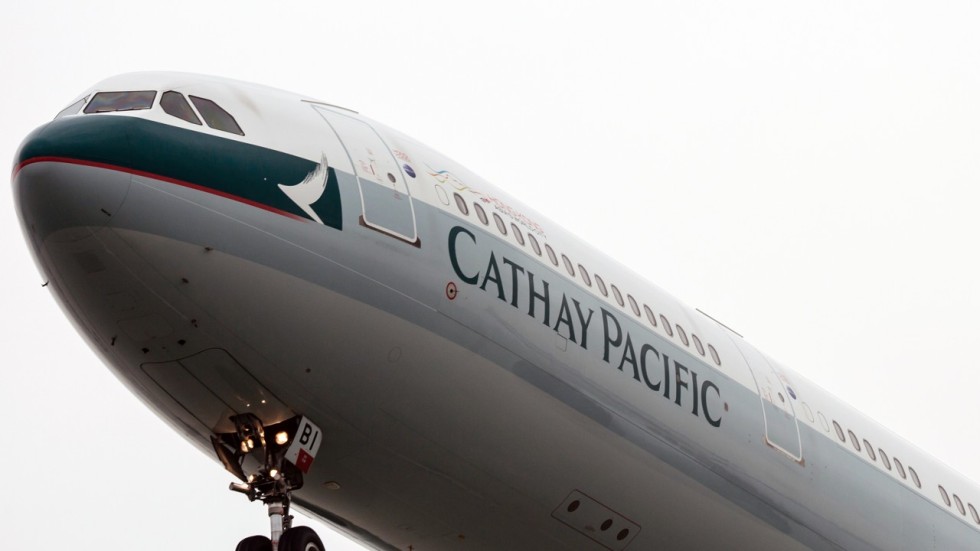
One passenger and six crew injured after turbulence hits Brisbane-bound Cathay Pacific flight
Cathay Pacific CX157 diverted to Manila so victims could get medical attention
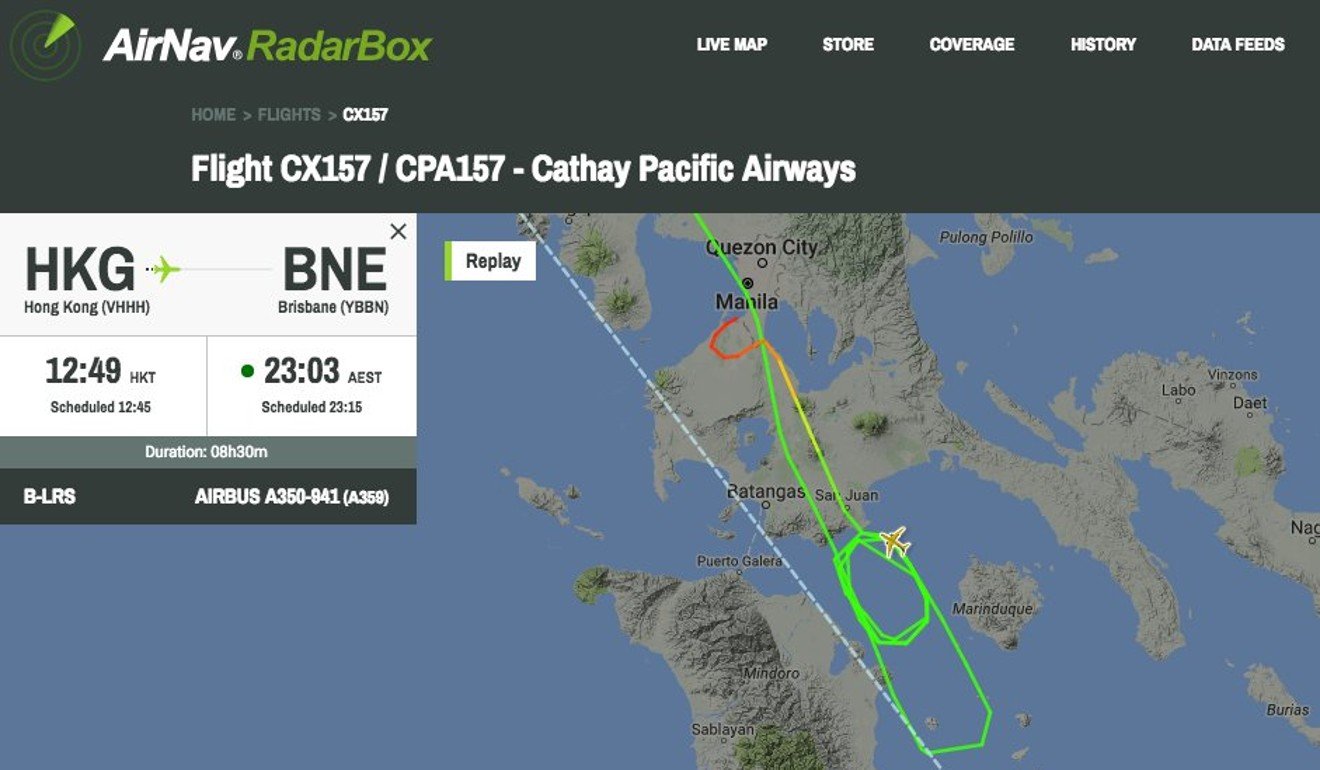
A passenger and six cabin crew members on a Brisbane-bound Cathay Pacific Airways flight were injured when the aircraft hit severe turbulence on Monday ( October 2017.
Flight CX157 left Hong Kong International Airport at 12.49pm for the eastern Australian city and reportedly encountered the bumpy conditions about an hour into the journey, as staff were serving meals.
The cabin reportedly shook for 10 minutes, during which crew members were thrown up and hit the ceiling.
The Airbus A350, carrying 264 passengers, 11 crew and three pilots, diverted to Manila, in the Philippines, so the injured could get medical attention, an airline spokeswoman said.
The plane landed in Manila at 3.48pm local time. The injured have since been discharged.
All non-injured passengers departed on the plane for Brisbane at 6.29pm
French aviation agency, Airbus investigate ‘serious incident’
Arrangements made to get 497 passengers to Los Angeles
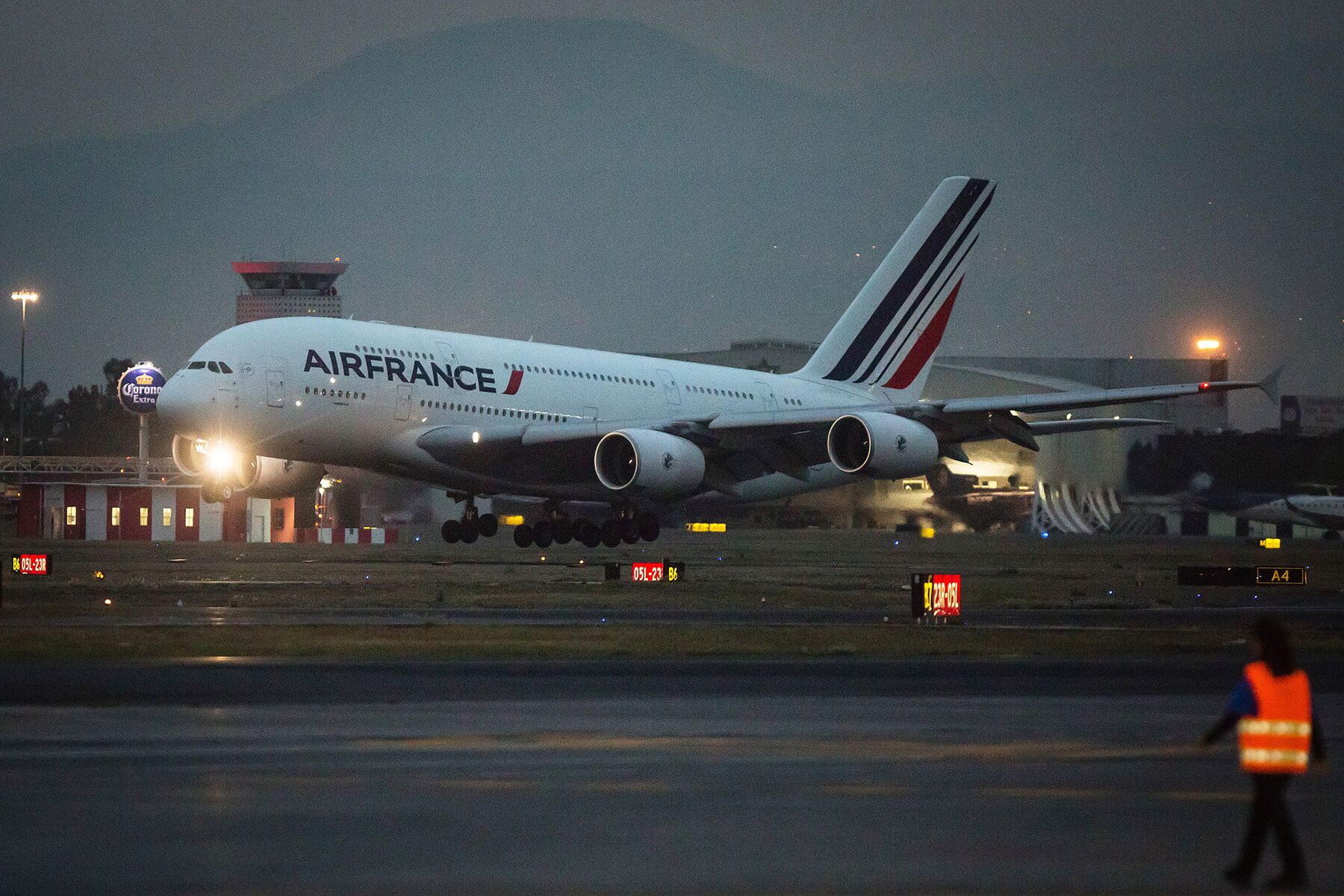
An Air France A380Photographer: Manuel Velasquez/Anadolu Agency/Getty Images)
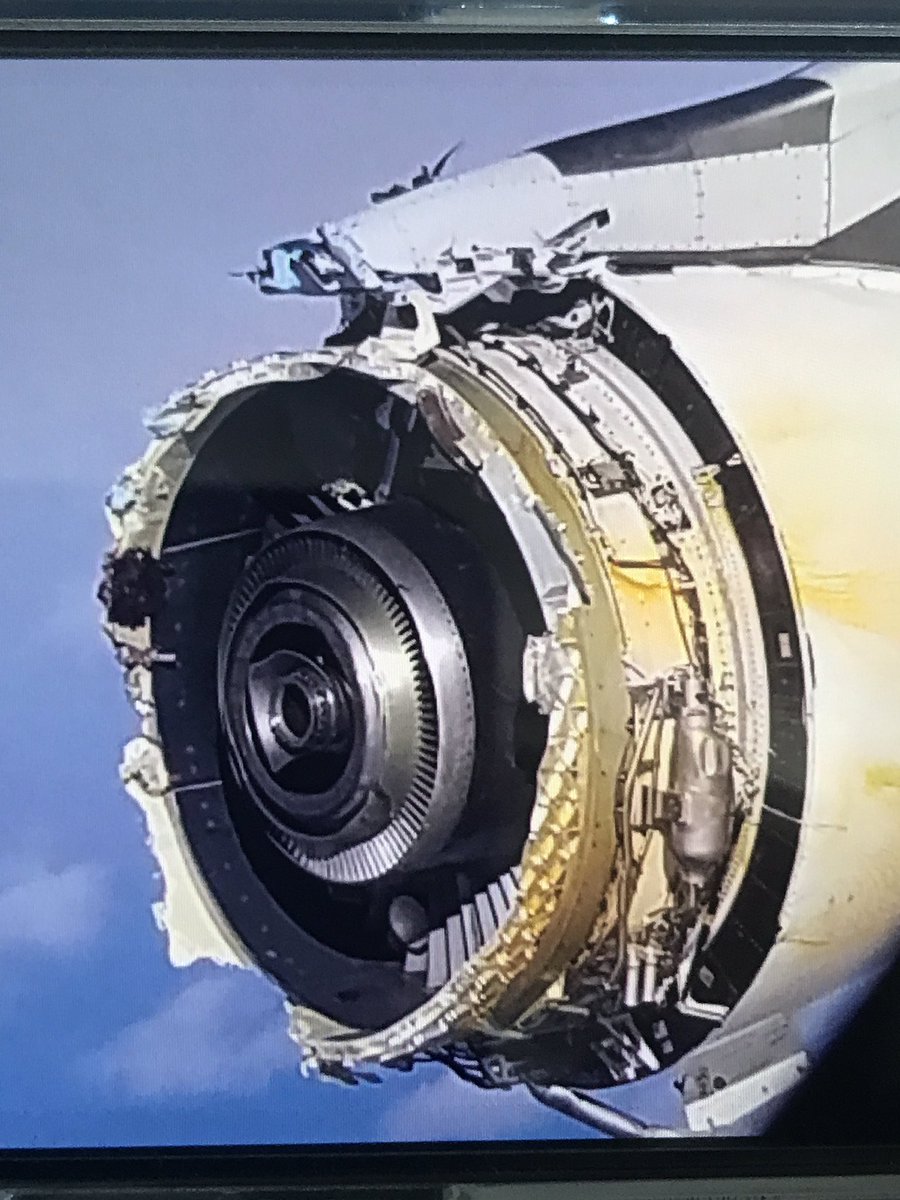
An Airbus SE A380 superjumbo operated by Air France was forced to make an emergency landing in eastern Canada after one of its four engine broke apart over the Atlantic Ocean.
The aircraft was flying from Paris to Los Angeles when the “serious incident” occurred, prompting the pilots to land in Goose Bay, Labrador, the airline said Sunday in a statement. No one on Air France Flight 66 was hurt and arrangements have been made to get the 497 passengers to California, the airline said. Airbus and France’s BEA air-accident investigation bureau dispatched a team of experts to Canada to investigate the aircraft, they said.
While engine malfunctions aren’t uncommon, so-called uncontained failures, when the protective outer part of the power plant known as the cowling rips apart, are. Such explosions are more serious because it can cause catastrophic damage to the wing holding fuel or the hydrolics that control the flaps. The Air France plane’s jet turbines are made by Engine Alliance, a joint venture of General Electric Co. and Pratt & Whitney Corp. The Alliance said on Twitter that it is aware of the Saturday incident and looking into it.
Photos posted by passengers online showed the outer of the two engines under the right wing with extensive damage, and the entire frontal ring of the cowling missing. Pratt & Whitney is owned by United Technologies Corp. and the manufacturer also equips the Airbus A320neo with upgraded engines, while GE and partner Safran SA offer a rival product.
The incident is the most severe since Qantas Airways Ltd. in 2010 grounded all six of its A380 aircraft after an inflight explosion on one of the plane’s engines. Those power plants were made by Rolls-Royce Group Plc, whose Trent 900 model is the other engine of choice on the A380. The Qantas jet was out of service for 18 months for repairs and retestesting.
The A380 is among the increasingly rare breed of airliners powered by four engines. The other two aircraft still in use are the Boeing 747, as well as the A340, which is no longer produced. Airlines now favor two-engine models because they are more fuel efficient, and twin-turbine aircraft have become more reliable even after a malfunction of one engine. Aircraft like the Airbus A350 are certified to fly for several hours on just one engine to reach the next airport for emergency landings.
After a decade in service Airbus has slowed output of the A380, the world’s biggest passenger aircraft, to just one plane a month. Air France operates 10 of the aircraft. The biggest user of the double decker is Emirates, which uses mainly Engine Alliance turbines for the plane, but has switched lately to the Rolls-Royce model.
 A forest bug clambers on a fern in a garden outside Moscow on June 27, 2017. (YURI KADOBNOV / AFP)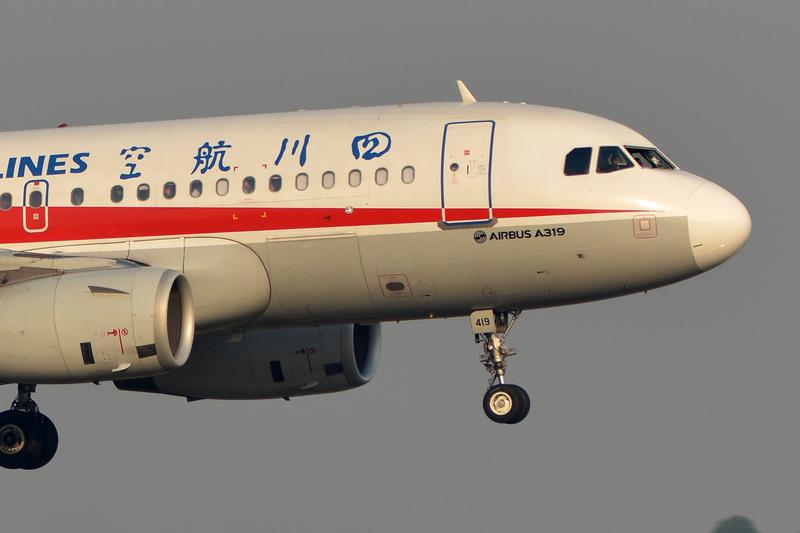
 CLEARING RUNWAYS: A Scarecrow Group vehicle in Prague
 ON PATROL: Robird is the first of its kind to be used on a regular, long-term basis at an airport