Screens Go Black: UPS Boeing 767 Lands In Denver Amid Dramatic Instrument Failure
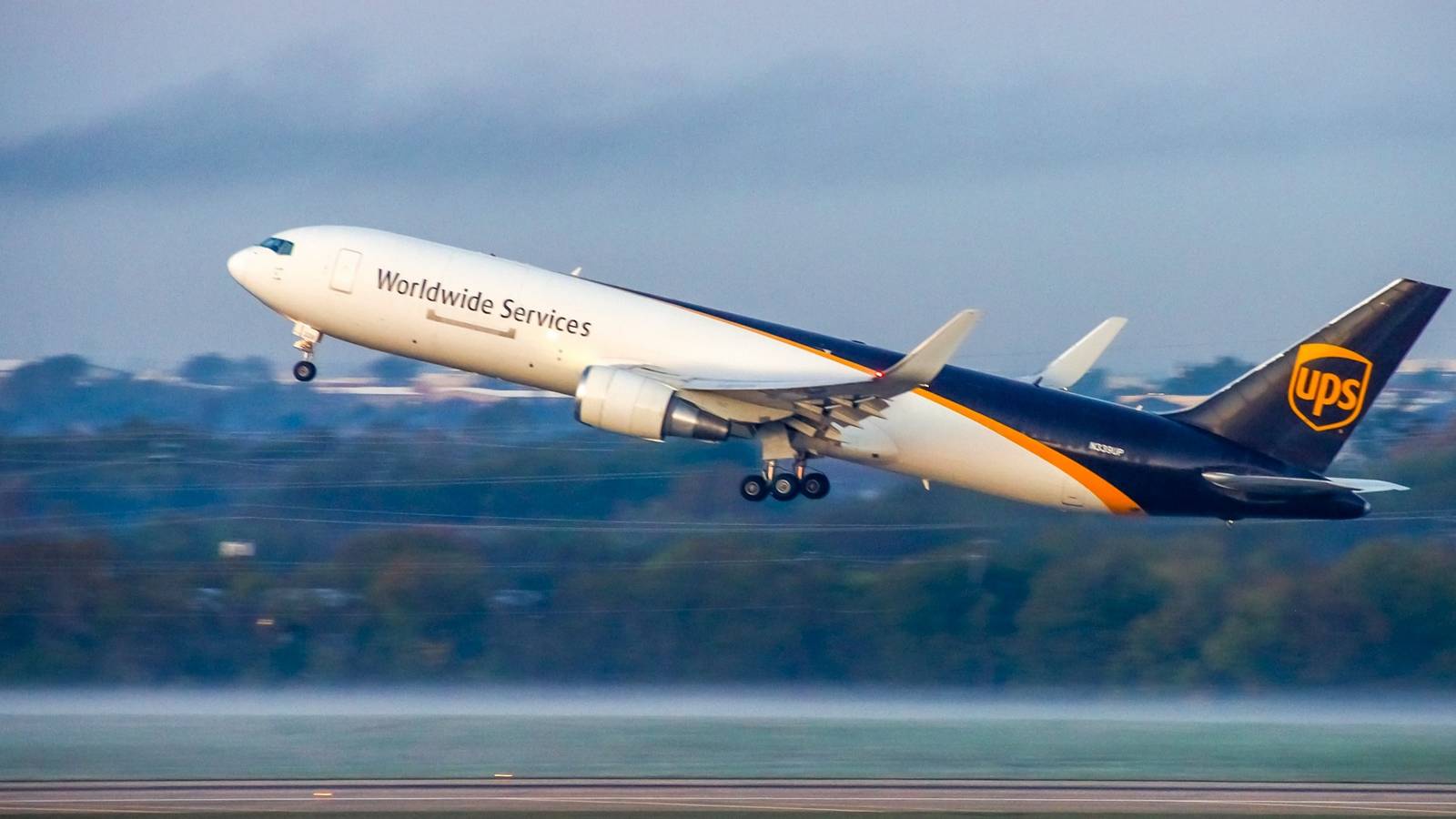
Over the weekend, a Boeing 767-300 Freighter operating a domestic cargo flight for UPS Airlines had a more dramatic arrival into Denver than its crew might have been bargaining for, following a total instrument failure on approach to the Colorado hub. This forced the pilots to defer to the jet’s standby instruments, with which they were indeed able to successfully carry out a safe landing at Denver Airport.
Even so, this incident was clearly considered to be a serious one, given that, two days later, the aircraft involved in the instrument failure, N312UP, has yet to take off from Denver once again. While N312UP is one of UPS Airlines’ older examples of the Boeing 767-300 Freighter, the type as a whole is actually one of the newer models in the carrier’s fleet, and it continues to take deliveries of them today.
A Dramatic Descent Into Denver

As seen in the map above, the flight involved was a domestic service from Will Rogers International Airport (OKC) in Oklahoma City, Oklahoma to Denver International (DEN) in the US state of Colorado. According to reporting on the matter by The Aviation Herald, it was numbered as 5X5806, with data made available by Flightradar24 showing that it left late and arrived even later due to a longer routing.
| UPS Airlines Flight 5X5806 On Saturday, August 15, 2026 | ||
|---|---|---|
| Per Flightradar24 | Departure From Oklahoma City | Arrival In Denver |
| Planned | 7:48 PM | 8:11 PM |
| Actual | 8:19 PM | 8:59 PM |
Still On The Ground

 UPS Airlines flight 5X5806 touched down on the 12,000-foot (3,658 m) concrete-paved runway 35L at Denver International Airport at 8:59 PM on Saturday, August 15, 2026, one hour and 40 minutes after its initial departure from Oklahoma City. Almost two days later, the jet is yet to have operated another flight, with the instrument failure clearly being enough of a concern to remove it from service for now.
Generally speaking, such a day at work is about standard, in terms of how N312UP’s operations have looked in the last week. For instance, August 11 was also a four-flight day, with the jet flying from Louisville to Richmond (RIC), Richmond to Philadelphia (PHL), Philadelphia to Ontario (ONT), and Ontario back to Louisville. August 12, 13, and 14 also each saw N312UP operate four internal flights.
The Aircraft In Question

As previously noted, the  Boeing 767-300 Freighter operating UPS Airlines flight 5X5806 on Saturday, August 15, 2026, when it had a dramatic total instrument failure on approach to Denver, bore the registration N312UP. According to fleet data made available by ch-aviation, this widebody twinjet cargo aircraft is 29.83 years old, having first flown in October 1996. It was delivered to UPS the next month.
Reported by SimpleFlying on 17 August 2026.