Dozens die as dengue surges in Malaysia while vaccine uptake stalls
With 55 dead, medical experts warn that high costs, rather than vaccine hesitancy, are keeping uptake low amid the outbreak

Dr Shanmuganathan TV Ganeson, president of the Federation of Private Medical Practitioners’ Associations, Malaysia, said cost was one factor behind the low vaccine uptake.
A two-dose regime could cost between 420 and 500 ringgit (US$104 to US$124), depending on the facility, and was generally cheaper in general practitioner clinics, he said, adding that GPs also lag larger facilities in terms of publicity.
The dengue vaccine also had to compete with other vaccines that were more affordable, he said, especially the flu vaccine.
“People here tend to opt for flu protection, especially travellers, which costs less than 100 ringgit, rather than an expensive dengue vaccine,” Shanmuganathan said.
He explained that the dengue vaccine could not be given to pregnant women, breastfeeding mothers or immunocompromised patients and was recommended only for those aged between four and 60.
Dengue Prevention Advocacy Malaysia co-chairman Professor Zamberi Sekawi said there was some hesitancy, as with other vaccines, but cautioned against reading the low uptake as anti-vaccine sentiment.
“The evidence suggests that many Malaysians are undecided rather than opposed. They want to know how effective the vaccine is, its long-term safety, and the recommendation of their doctor,” he said, adding that public awareness of the vaccine was limited.
“Cost and access must not be mistaken for hesitancy. Since we have to pay for it, it creates an additional barrier.”
He said studies had shown that acceptance of the vaccine improved when people understood its risks and when doctors themselves recommended the jab.
“We need better public education and, importantly, doctors who are confident enough to have personalised conversations about dengue prevention and vaccination,” he said.
Checks by local reporters on prices at various private facilities found that two doses of the dengue vaccine can cost up to 480 ringgit.
The Health Ministry said last year that it had no immediate plans to include the vaccine in the National Immunisation Programme.
High-risk regions
In a statement issued on Friday, the Health Ministry said the increase in cases was initially concentrated in the Klang Valley region, particularly Selangor state, as well as the federal territories of Kuala Lumpur and Putrajaya.
“The risk of dengue transmission remains high and the national situation remains worrying following increases in cases now also detected in several other states,” it said.
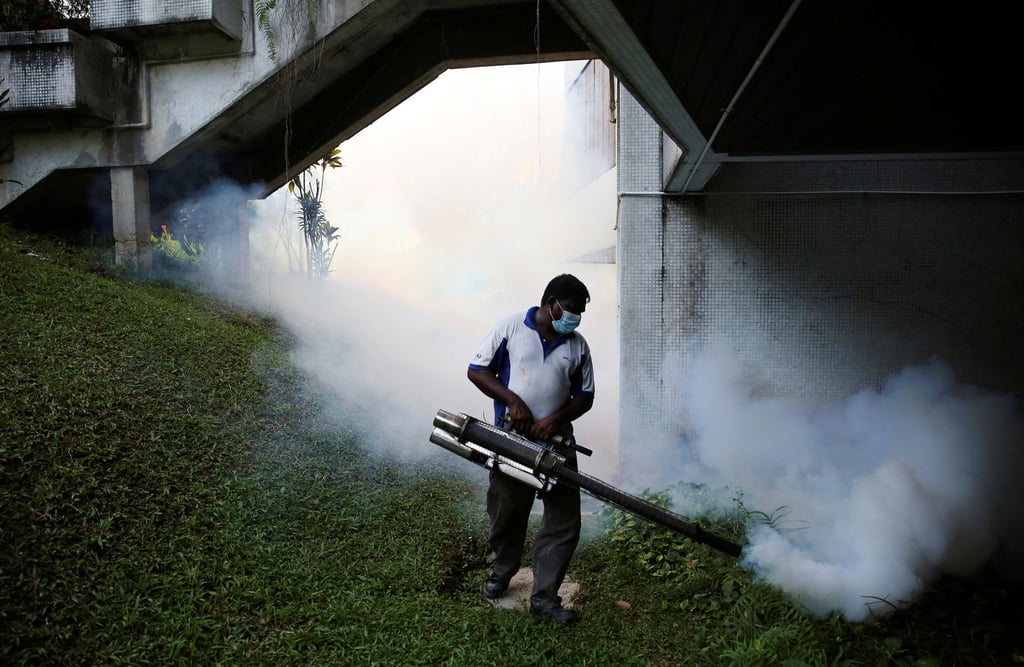
Intensive, targeted prevention and control measures, including early case detection, vector control, outbreak management and personnel mobilisation, had since begun to show positive results, the ministry noted.
The northern state of Perlis recorded the highest percentage increase, up 207 per cent from 55 cases between January and August last year to 169 this year.
Johor’s cases more than doubled, climbing 109 per cent from 4,140 to 8,639, while Kuala Lumpur and Putrajaya recorded a 106 per cent increase, from 5,013 to 10,316 cases.
Selangor continued to be the worst-affected state in absolute terms, with 25,090, up 61 per cent from 15,610 cases. Sabah recorded 3,753 cases, up 34 per cent from 2,806 previously.
Only Penang, Melaka and Kedah recorded reductions, with cases falling by 26 per cent, 36 per cent and 60 per cent, respectively.
The ministry attributed the rise in dengue cases to several factors, including weather favourable to mosquito breeding.